
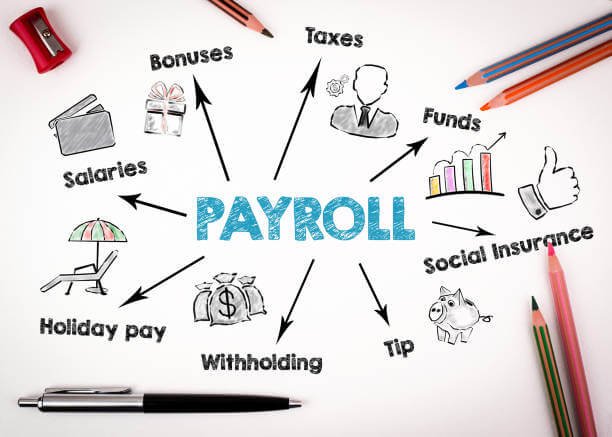
In the high-stakes world of corporate operations, modern enterprise leaders face an ongoing mandate: eliminate administrative friction and reallocate valuable internal bandwidth toward growth. While front-end market expansion dominates executive agendas, long-term organizational health is ultimately dictated by the resilience of back-office workflows. Among these foundational tasks, employee compensation is one of the most complex, risk-heavy administrative processes a business handles.
Operating a workforce in a tight regulatory environment requires far more than simply cutting checks or routing manual bank transfers. Between fluctuating taxation structures, shifting regulatory expectations, and the meticulous demands of data governance, managing payroll can rapidly exhaust an internal department. To protect their operational continuity, forward-thinking enterprises are systematically evaluating whether to optimize their internal systems or move entirely toward a dedicated payroll service.
The Advantages of Using In-House Payroll Services
Retaining your payroll operations internally offers specific advantages that appeal directly to certain corporate models. For highly structured organizations with predictable headcount metrics, maintaining an internal processing pipeline provides distinct benefits:
- Absolute Data Proximity: An internal team keeps sensitive salary, bonus, and personal identity metrics entirely within the immediate physical or digital boundaries of the enterprise.
- Instant, Real-Time Adjustments: If a manager needs to make an immediate, last-minute correction to an employee’s hours or process an off-cycle termination payout on short notice, an internal team can act without coordinating through a third-party ticketing system.
- Direct Alignment with Company Culture: Internal payroll staff are deeply familiar with the company’s internal politics, specific organizational structures, and unique employee relationships.
However, capturing these internal advantages requires a massive commitment of capital. To run an effective internal setup, an organization must continually invest in advanced software subscriptions, fund ongoing training to keep staff aligned with legislative changes, and establish rigorous internal oversight to prevent processing errors.
Top 5 Reasons to Outsource Your Payroll in Australia
While in-house processing provides a sense of immediate control, expanding organizations often find that the administrative weight quickly outgrows internal capacity. Transitioning your administrative liabilities to a specialized external framework completely changes how a business manages risk and handles overhead capital. Far from being a basic administrative alternative, choosing payroll outsourcing functions as a powerful strategic multiplier.
Here are the top five reasons modern Australian enterprises choose to delegate this critical function:
- Guaranteed Regulatory Compliance: Specialists handle the tedious task of interpreting complex modern awards, adjusting for automatic superannuation guarantee percentage increases, and managing strict Pay-As-You-Go (PAYG) tax withholdings.
- Elimination of Single-Point-of-Failure Risks: Relying on a single internal clerk creates an immediate bottleneck. If that employee falls ill, goes on leave, or suddenly resigns right before a major pay run, the business faces an operational crisis. External delegation removes this exposure entirely, guaranteeing that your data is processed punctually every single cycle.
- Drastic Mitigation of Errors: Manual entry is the leading cause of costly processing and transcription mistakes. External partners deploy automated verification engines to keep data precise.
- Bank-Grade Data Security Protocols: Certified providers utilize enterprise security measures, including multi-factor authentication (MFA) and isolated cloud storage, to safeguard highly sensitive data from evolving cyber threats.
- Streamlined Tax Filing and Reporting: High-performing third-party networks connect seamlessly with modern regulatory systems, enabling automated lodgements. To see how these automated systems eliminate manual data overhead and keep your business perfectly aligned with the Australian Taxation Office (ATO), read more about how payroll services australia simplifies tax filing and reporting.
How to Choose HR and Payroll Outsourcing Service Solutions
Maximizing your return on investment depends heavily on how you vet your potential partner. Many external vendors are highly structured and resistant to accommodating the unique operational styles of independent businesses.
To select a solution that matches your corporate goals, evaluate potential vendors against this three-step checklist:
- Enforce Strict System Synergy: Ensure the provider’s platform integrates seamlessly with your existing human resources information systems (HRIS), time-tracking tools, and accounting engines like Xero or QuickBooks to prevent manual transcription errors.
- Demand Absolute Fee Transparency: Review the baseline contracts with a critical eye. Confirm exactly what is covered in your per-employee or per-pay-run rate. Ensure that handling off-cycle bonuses, calculating sudden termination payouts, or generating standard end-of-month reports will not trigger surprise service premiums.
- Prioritize Employee Self-Service Portals: Shift routine administrative inquiries off your core leadership. Select a partner that offers secure, mobile-friendly cloud access where workers can independently download past payslips and check leave accruals without opening internal HR tickets.
Conclusion: Establishing an Unshakeable Corporate Infrastructure
Transitioning your payroll infrastructure away from manual tracking systems and onto a managed specialized platform is an investment in your organization’s security, legal safety, and future scalability. Shifting high-liability administrative burdens to dedicated external professionals allows your management team to step away from administrative compliance traps and focus entirely on core business expansion.
Take the time to audit potential providers against clear compliance protocols, data encryption standards, and flexible reporting structures. Establishing a proactive, disciplined approach to your payroll architecture creates a rock-solid corporate foundation that securely supports your workforce as your business expands.